vendredi 2 août 2013

haitian culture
.jpg)
Our friends in the village of La Source report to us that the Moto Logistics program has been a huge success for them! They have been using the Moto we helped them buy, and are so excited about the job its created, that we decided to send down another Moto and see how the program goes for another few months. Here we see a villager from La Source riding the first moto we helped them buy! This moto creates a job where there wasn’t one before and it drives the local economy FROM WITHIN the village rather than as a handout from outside the village.
Los mejores hoteles de Puerto Príncipe
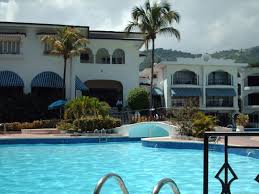
El Plaza Hotel está situado en el centro de la ciudad de Puerto Príncipe, no muy lejos del Palacio Nacional, una zona que fue fuertemente afectada por el terremoto del pasado 12 de enero. Afortunadamente, nuestro hotel no sufrió daños mayores y no tuvo que parar sus operaciones. El hotel ofrece un ambiente seguro y cómodo tanto para los huéspedes del hotel como para los participantes a las conferencias. Esperamos su visita, sin importar si el motivo de su estadía es participar a los esfuerzos de reconstrucción, visitar sus amigos y familiares o simplemente explorar nuestro hermoso país.
Haití intenta convertirse en un paraíso turístico
Quizá Haití no sea la primera nación del Caribe en la que uno piensa al hablar de turismo. La imagen del país es de inestabilidad política y desastres naturales. Sin embargo, el gobierno lleva adelante una campaña para convencer a los turistas a que acudan a visitarlo.
El cielo despejado es de color azul brillante, las playas son de arena suave y el agua cálida tiene los tonos azules y turquesas inconfundibles del mar Caribe.
Bienvenido al paraíso escondido de Haití.
Lo único que le falta a esta playa tranquila en Jacmel, en la costa sureste de Haití, son los turistas.
lABADEE
Labadee (also Labadie) is a port located on the northern coast of Haiti. It is a private resort leased to Royal Caribbean International until 2050.[citation needed] Royal Caribbean International has contributed the largest proportion of tourist revenue to Haiti since 1986, employing 300 locals, allowing another 200 to sell their wares on the premises for a fee[citation needed], and paying the Haitian government US$6 per tourist.[1]
The resort is completely tourist-oriented, and is guarded by a private security force. The site is fenced off from the surrounding area, and passengers are not allowed to leave the property. Food available to tourists is brought from the cruise ships. A controlled group of Haitian merchants are given sole rights to sell their merchandise and establish their businesses in the resort. Although sometimes described as an islandin advertisements, it is actually a peninsula contiguous with the island of Hispaniola. The cruise ship moors to the pier at Labadee capable of servicing the Oasis class ships, which was completed in late 2009.
creole
El criollo haitiano (en criollo haitiano: kreyòl ayisyen; en francés: créole haïtien) o haitiano es el idioma criollo hablado en Haití y por emigrantes haitianos en toda la zona del Caribe, principalmente en República Dominicana, Cuba, Florida y Bahamas; se extiende incluso hasta pequeños núcleos en Francia, Canadá, Ecuador, Colombia y Estados Unidos donde viven inmigrantes haitianos.
Inscription à :
Articles (Atom)